



🖋Mehrnoosh Pourzaiyi BBC, Washington
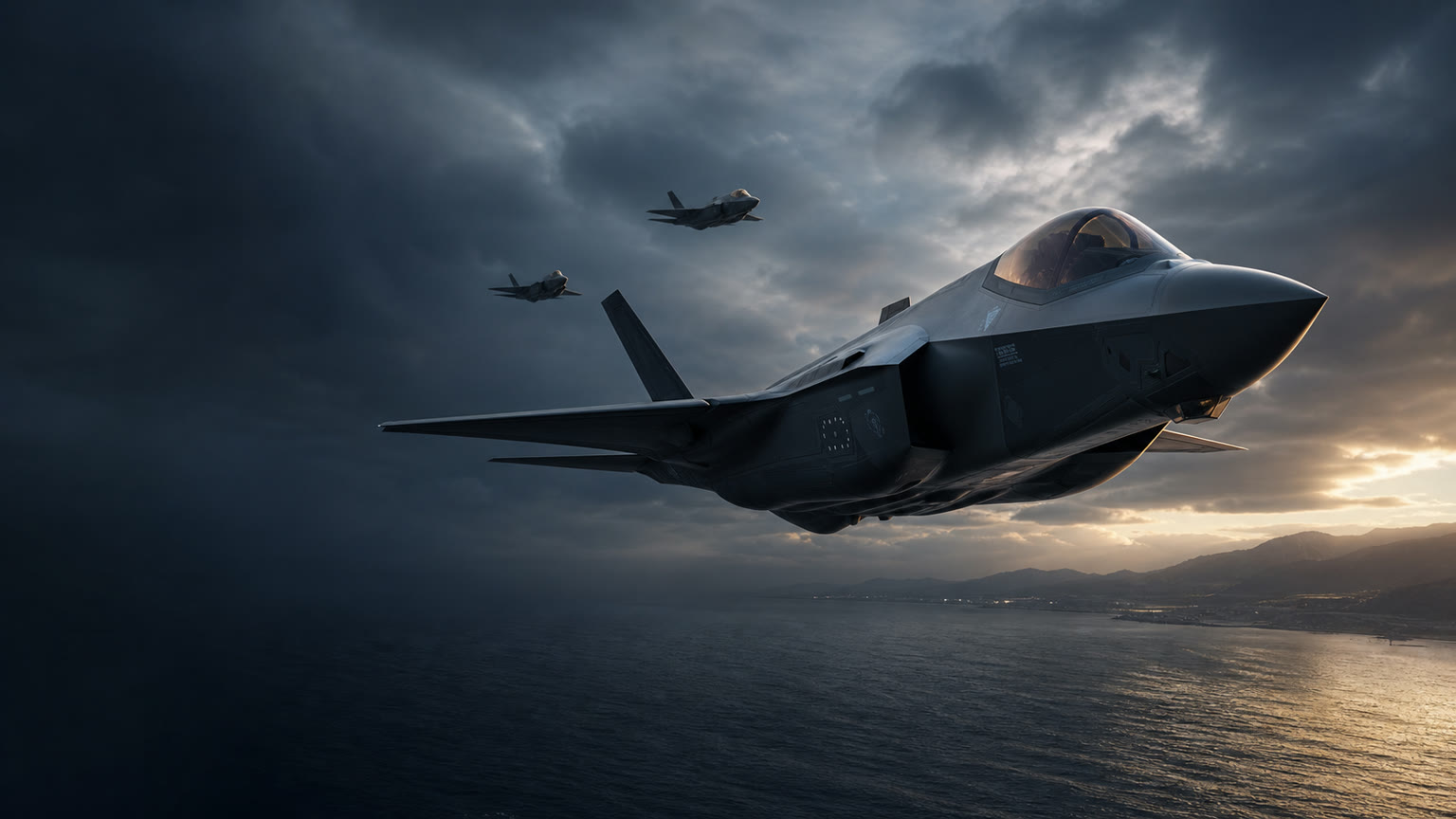
While Donald Trump on Tuesday praised his administration’s performance in the Strait of Hormuz in a message accompanied by an image produced using artificial intelligence, a number of American media outlets have published reports and analyses that present a more complex picture of the situation in this waterway. In addition to examining shipping security, these reports discuss the military costs for the United States, the future of this country’s presence in the Persian Gulf, and the potential risks of a renewed escalation of the crisis.
The Wall Street Journal has reported, in a piece, on the increase in Iran’s attacks on ships in the Strait of Hormuz and the absence of a direct military response by the United States. The newspaper writes that Iran’s continued attacks without a military response from Washington have led to increased risks for maritime passage and traffic in the Strait of Hormuz, raising concerns among some of the United States’ Arab allies. According to the Wall Street Journal, these countries are dissatisfied with what they say is the lack of a clear strategy from the United States to end the war.
The paper, quoting the maritime risk assessment company Mariskes, reports that as of now only in August there have been 14 attacks on ships in the Strait of Hormuz or the Bab al-Mandab. Based on the report, it appears that a large portion of the attacks have targeted oil tankers chartered by the United Arab Emirates—tankers that, to get around the crisis, transfer oil from within the Strait to ships that are waiting outside it in order to reach the global market. The newspaper writes that the UAE, using this approach, has been able to increase its oil sales compared to the pre-war period and raise them to 3.9 million barrels per day. Meanwhile, Kuwait’s and Iraq’s and Saudi Arabia’s oil production levels are at least 20% below their pre-war levels.
Read the rest of the article from the link below on the BBC Persian website.
Comments
Top comments