




The United States is carrying out a covert operation to move oil through the Strait of Hormuz
- Axios reporter Barak Ravid
Two U.S. officials told Axios that the U.S. military has quietly established a shipping corridor along the route of entry and exit from the Strait of Hormuz in order to move millions of barrels of oil every day—an impressive achievement, given that the broader war is still stuck in a stalemate.
The operation, which has been underway over the past few weeks, enables 15 to 20 oil tankers to enter and exit the strait each night via a southern route along the coast of Oman.
The officials said that about 10 million barrels of oil per day—roughly half of the volume of oil shipments before the war—are leaving the strait and entering the global energy market.
Why it matters: The U.S.-led operation has reduced one of the most painful consequences of the war: disruption of oil supply, which had caused a jump in crude oil prices. The officials said that although the volume of oil leaving the strait is still lower than pre-war levels, it has created a significant difference in global supply.
How the operation is carried out: This effort goes beyond escorting the outgoing oil tankers carrying oil. The U.S. Army helps empty tankers enter the Persian Gulf from the Arabian Sea and through the Strait of Hormuz, load up with oil in regional countries, and then leave.
The full details of this operation had not been reported before this story.
One U.S. official directly involved in the matter said, “We have been controlling the southern route of the Strait of Hormuz for two months. The Islamic Revolutionary Guard Corps can cause interference, but it does not control the strait. We control it.”
Behind the scenes: The task force responsible for the Hormuz operation is directed from the U.S. Army headquarters in Fort Bragg, North Carolina.
This task force coordinates with regional partners in Gulf countries. Each day, it prepares a list of ships that enter the Arabian Sea from the Gulf through the Strait of Hormuz; it also prepares a list of chartered empty tankers that enter the Gulf ports from the Arabian Sea through the strait in order to load more oil.
Each night, the ships exit the strait in a scheduled time window, in the form of a large queue, and in a separate time window they enter the strait, in the form of a large queue.
The ships then pass through the southern route based on U.S. Army instructions.
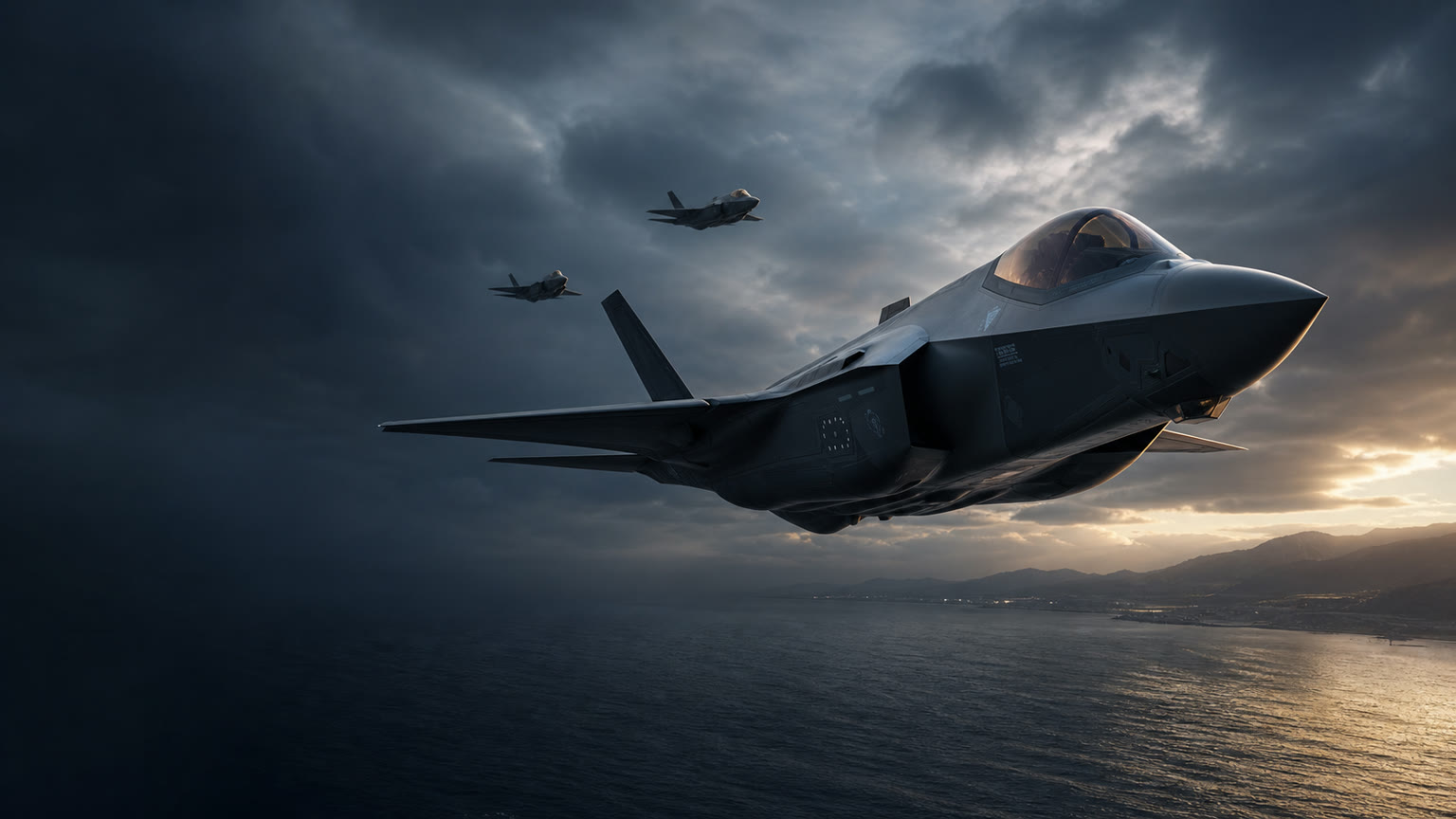
The U.S. Air Force also has fighters that protect the ships from Iranian cruise missiles and drones.
More details: According to the officials, this operation became possible after a recent two-week military campaign by U.S. Central Command (CENTCOM); a campaign that weakened Iran’s radar and maritime surveillance systems.
Iran now has limited visibility into the movement of ships along the southern route of the strait. According to U.S. officials, Iran’s oversight has been limited to a few radars that have managed to be reactivated, as well as “watchers” on small extremist boats of the IRGC.
U.S. officials say that since the Iranians have been made largely “blind,” drones and cruise missiles are fired at broad areas where they believe the ships will pass.
Some ships have been targeted by Iranian attacks, but the U.S. Army has neutralized many of these attacks. One U.S. official said that, for example, early this week American forces shot down eight Iranian drones and two cruise missiles.
Current situation: U.S. officials say that over the past two weeks, each night 15 to 20 oil tankers have been entering and exiting the Strait of Hormuz via the southern route, and oil exports have continued.
According to U.S. officials, the average daily exports have been rising and are now at about 10 million barrels.
They note that in some nights in recent weeks, the volume of oil leaving the Persian Gulf has also reached 15 to 20 million barrels.
One official said that on one of the nights this week, more than 20 ships were scheduled to enter and exit the strait via the southern route; if fully carried out, about 15 million barrels of oil could have left the Persian Gulf.
Trump comments: President Trump told Axios on Wednesday, “A very large amount of oil is being taken out of the Strait of Hormuz.”
He said the United States is not currently negotiating with Iran: “They’re wasting time. Negotiating with them is a waste of time.”
Trump said, “The Iranians still have some fighting ability, but overall there’s nothing left of what they were.”
Editor’s note: This report has been updated to clarify that 15 to 20 oil tankers enter and exit the Strait of Hormuz each night.


Comments
Top comments