


After the suspension of a U.S. sanctions waiver, the Duolingo test for Iranians has been halted; ambiguity about TOEFL
🔸Duolingo announced that the language test of this institute in Iran and for holders of Iranian identity documents is not available. At the same time, reports have been published about the cancellation of the TOEFL test and the lack of announcement of new dates for holding it in Iran.
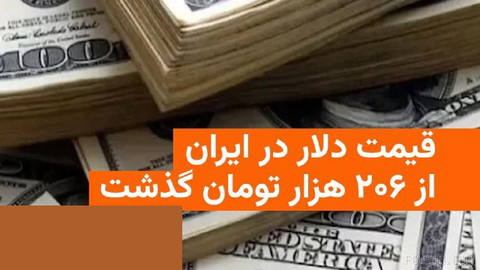
🔸These developments take place a few days after the U.S. suspended one of its sanctions waivers related to educational services for Iranians.
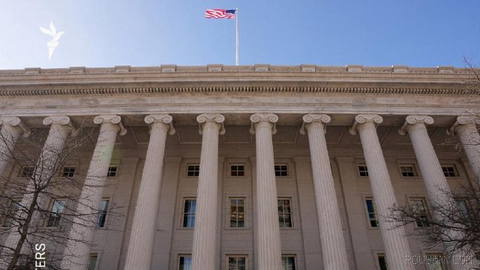
🔸The U.S. Treasury Department’s Office of Foreign Assets Control (OFAC) on the second of Shahrivar issued a public authorization known as “G,” which since 2014 had allowed certain academic exchanges and the provision of educational services to Iranians, putting it on hold for an indefinite period.
🔸Duolingo, the American company that makes the language-learning app whose online English test is accepted by many universities, now states on its official support page that this test is not available in Iran and for people who use Iranian identity documents.
🔸Meanwhile, some Iranian users on social media have published images, which they say relate to messages canceling the TOEFL test and the absence of a test center or test dates in the ETS registration system (the test organizer for TOEFL). Radio Farda cannot independently verify the authenticity and origin of these images.
🔸Some applicants also said that TOEFL tests had been held in Iran up until these recent days, but after OFAC’s new decision, cancellation messages were sent to some applicants.
🔸As of the time this report was published, the institute that organizes the TOEFL test had not issued an official statement regarding the stoppage of the test in Iran. On the institute’s website, Iran still appears on the list of countries where the TOEFL internet-based test is offered, and special contact information for applicants from Iran is also shown there.
🔸Therefore, it is still unclear what the reported restrictions cover and whether they are directly the result of OFAC’s decision or not.
🔸The general authorization G that OFAC issued in March 2014, among other things, allowed reputable U.S. universities to have academic exchange programs with universities in Iran and to provide certain educational services to Iranian students.
🔸Read the full report on the Radio Farda website.



Comments
Top comments