

🔶 The IAEA removes Assad-era nuclear materials from Syria
Axios reported Tuesday, August 11 (August 1), that the International Atomic Energy Agency, after the White House reached understandings with Damascus and Israel, will soon remove the remaining nuclear materials from the Assad era from secret facilities in Syria.
According to the report, which was published citing Israeli and American officials, several months ago a “significant exchange of threats and behind-the-scenes diplomacy” took place over this secret site. The issue was then settled a few weeks ago, after an agreement was reached to remove these materials, which is expected to be completed by the end of this year.
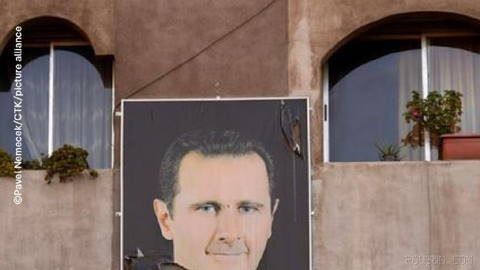
In 2007, Israel bombed the “Al-Kbar” reactor in Deir ez-Zor, Syria; a place where, according to Israeli assessments, the U.S. and the International Atomic Energy Agency, Bashar al-Assad, then the head of Syria, was building a secret nuclear weapons program.
It is believed that this attack, which Israel had refrained from commenting on until 2018, may have ended the Assad government’s efforts to build a nuclear weapon. However, according to Axios, some R&D centers and storage facilities at the site remained intact.
Two Israeli officials told the outlet that the Assad government used facilities known as “Site 99” to store remaining nuclear materials after the Al-Kbar reactor was destroyed.
According to the report, the materials included yellowcake and uranium ore concentrate powder, which could be used to build a “dirty bomb” — a conventional bomb that also disperses radioactive materials — or, through further enrichment, could be used to build a real nuclear weapon.
At the end of 2024, when the Assad government was overthrown by Islamist insurgents who now control the Syrian government, Israel bombed the entries to the Al-Kbar facilities.
As written by Axios, after that, Israel and the U.S. discussed “Site 99” for more than a year, and senior officials at the White House and the office of the Israeli prime minister were in contact regarding the matter.
Rafael Grossi, director general of the International Atomic Energy Agency, announced in June 2025 that Syria agreed to grant inspectors access to the former suspicious nuclear facilities.
According to Axios, Israel had threatened that if the nuclear materials were not removed from these facilities, or if the new Syrian government did not provide the conditions for access to them, it would target the site; however, according to a U.S. official, the threat was never carried out.
Based on the report, Israel and the U.S. decided to cooperate on this with the new Syrian government. Meanwhile, a few weeks ago, Israel identified activities at these facilities that raised the suspicion that the Syrian government was trying to obtain these materials.
Israeli officials were concerned that Turkey, as a close ally of the new Syrian government, would help Damascus obtain these materials.
According to Axios, after that, the Trump administration brought the International Atomic Energy Agency into the matter, and the agency reached an agreement with the Syrian government that was signed three weeks ago.
A U.S. official told Axios that Washington hopes that “the process of removing these materials will begin soon and be completed before the end of the year.”
Despite this, the White House, the International Atomic Energy Agency, and the office of the Israeli prime minister have declined to comment on the report.

Comments
Top comments