



🔶 احتمال افزایش بهای بنزین و تغییر سهمیهها در ایران
The issue of increasing the price of gasoline in Iran in recent days has once again become one of the most important economic and social topics.
What makes this particularly important is the difference between the current government approach and the sudden increase in gasoline prices in 1398 (2019).
It appears that, instead of announcing a general and one-time increase, officials are reviewing a multi-tier pricing model, raising the price of gasoline, limiting subsidies, and carrying out pilot implementations of new models.
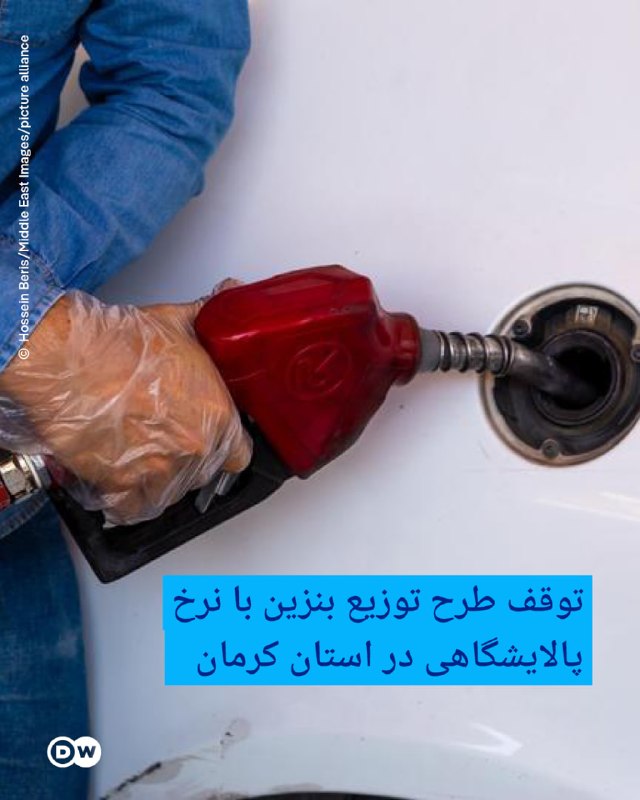
The government’s actions in Kerman province show that the matter has gone beyond the level of discussion and statements, and at least one operational model for supplying gasoline at a higher rate than the subsidized prices has been tested; although its implementation faced ambiguity and a temporary stop.
Reza Sepahvand, the spokesperson of the Energy Commission of the Islamic Consultative Assembly (Parliament), said in this regard: «There were many discussions on this matter among the members of the Energy Commission as well as the minister and the deputies of the Ministry of Oil.
The plan was supposed to be implemented today, and they also announced yesterday, but it was immediately halted. We have not yet received the reason for it.»
Based on the proposed and pilot model that was considered for Kerman province, it was supposed that the current gasoline rationing would remain in place, but consumption above the ration would be calculated at a much higher price.
In the announced model, the fuel card included 60 liters at a rate of 1,500 tomans, 50 liters at a rate of 3,000 tomans, and 40 liters at a rate of 5,000 tomans; that is, a total of 150 liters across three different price tiers.
For consumption above that amount, the price of gasoline was to be set based on the refinery rate, with the announced figure being 87,200 tomans per liter.
However, the key point is that the 87,200 tomans should not be considered the general gasoline price for all consumers in the same way. This figure pertains to gasoline at a higher rate for consumption in excess of the ration within the pilot plan.
In the current situation, in which military tensions have not yet come to an end with certainty, it cannot be said that a general increase in gasoline prices has been finalized. But available evidence suggests that the likelihood of changing the pricing system and gradually reducing gasoline subsidies is moving closer to the implementation stage.
The pilot implementation of the new model in Kerman is a sign of this claim. The reports published indicate that gasoline supply at the refinery rate began in this province, but after the governor general pursued the matter and requested further review, its implementation was halted or delayed and became shrouded in ambiguity.

Comments
Top comments